

Viewpoint
Transformative Education for Empowering Psilocybin Use

Understanding the healing potential of mushroom retreats
Feeling trepidation about entering a psychedelic experience is completely normal. Many practitioners no longer consider the experience of emotional feelings of anxiety leading up to a mushroom retreat as an indicator of danger but instead view it as an expression of reverence towards the magnitude of this work.

Overcoming fears before a mushroom retreat: A comprehensive guide
Deciding to embark on a psilocybin journey is a profound commitment to your own growth and healing. Mushroom retreats exist within the broader context of psychedelics, psychedelic medicines, and psychedelic substances, which have been used for spiritual, therapeutic, and personal transformation.
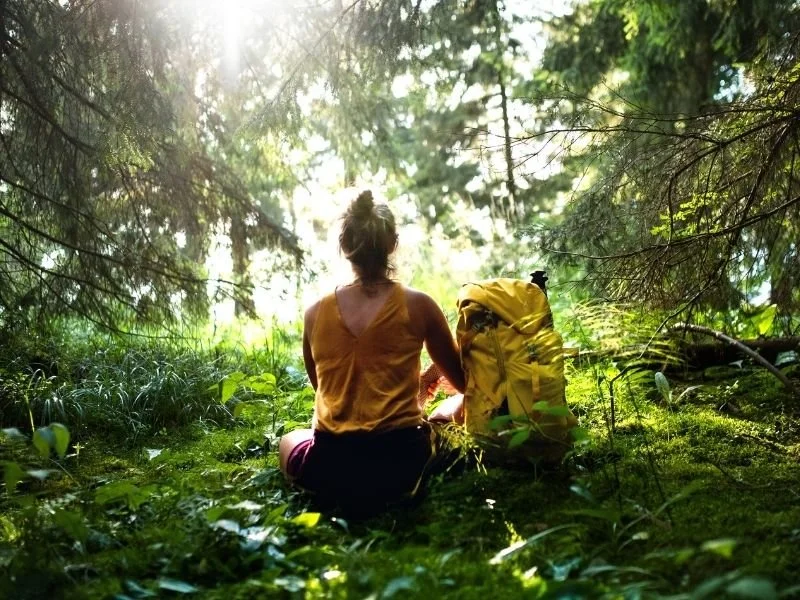
Preparing mentally for a mushroom retreat
In an era where many find themselves weary of merely managing symptoms, a new horizon of wellness is appearing—one that prioritizes deep, foundational restoration.
The tapestry of the soul: Common experiences at psilocybin retreats
Courage and curiosity are two things you experience when entering a psilocybin retreat. All humans have a distinct and individual internal world, but there are common "landmarks" that a traveler will come across in their path through their own mind. The objective of the retreat is not to exert control over your experience but rather to create a warm, safe, inviting space in which your experience of consciousness occurs naturally.
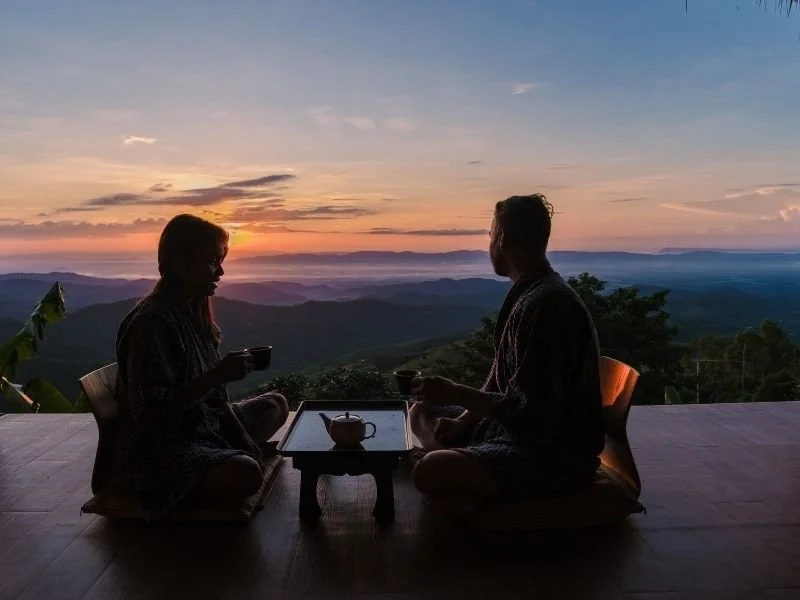
How psilocybin retreats work
Psilocybin retreats are more than just a one-time experience. They are comprised of a well-structured process, which creates a safe environment so individuals can do inner work to their fullest extent. There are three parts to a psilocybin retreat experience—preparation, the administration session, and post-session support/integration.
Are psilocybin retreats legal?
The question of legality is often the first hurdle for those considering a psychedelic retreat. The answer is no longer a simple “yes” or “no,” but rather a map of specific jurisdictions where the therapeutic use of psilocybin has moved from the shadows into regulated, professional settings.
The first 48 hours after a retreat: What to expect
The conclusion of a psychedelic journey may not mark the end of that experience, but will be considered the initial stages of the integration process into your "normal" life. Many individuals who participate in psychedelics report an incredible "open" state within two days after having had the experience.

Understanding emotional release during psilocybin journeys
In the growing field of psychedelic-assisted therapy, the term "emotional release" is frequently used to describe a pivotal moment in the healing process. While many people approach psilocybin journeys seeking "mystical experiences" or visual awe, the most profound clinical outcomes often stem from a deep, somatic discharge of stored emotions.

Psychedelic retreat versus traditional therapy: Complementary paths to mental wellness
The landscape of mental health treatment is undergoing a significant transformation. For decades, traditional talk therapy—such as Cognitive Behavioral Therapy (CBT) or Psychodynamic Therapy—has been the gold standard for treating mental health conditions.
Common myths about psychedelic retreats
Although the culture has embraced psychedelic therapy, the ways it has been publicized may have contributed to a well of misinformation and controversy about what psychedelics can actually do and are able to do. There is also a return to many of those false myths from various decades of public interest in psychedelics.