
How psilocybin retreats work
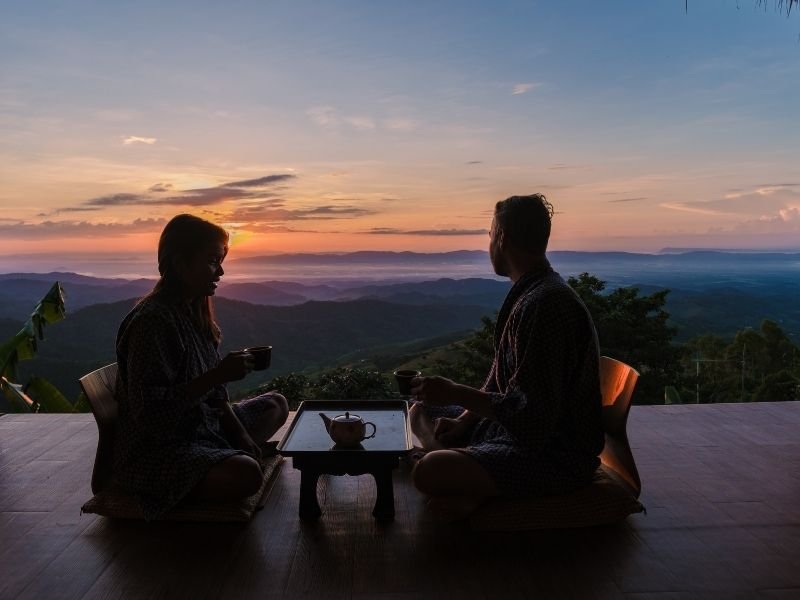
Psilocybin retreats are more than just a one-time experience. They are comprised of a well-structured process, which creates a safe environment so individuals can do inner work to their fullest extent. There are three parts to a psilocybin retreat experience—preparation, the administration session, and post-session support/integration.
Although people tend to focus only on the actual day of the journey, the multi-phase approach creates opportunities to utilize this experience in productive ways for extended periods of time and helps you create lasting changes in your life.
By understanding the mechanics of how these retreats work—from the initial medical screening to the final integration circle—participants can approach their journey with a sense of grounded confidence. This structure is particularly vital in regulated environments like Oregon, where every step is governed by safety standards designed to protect the participant’s physical and psychological well-being.
Key takeaways
The three-phase model: Every professional retreat consists of preparation, administration (the journey), and integration.
Screening process: Participants undergo a thorough screening process to ensure they are mentally and physically prepared for the experience.
Group settings: Retreats are typically held in group settings, fostering trust and vulnerability among participants, which enhances the therapeutic process.
Designed for mental health conditions: Psilocybin retreats are designed to address mental health conditions such as depression, anxiety, and PTSD, and to support individuals during major life transitions.
Non-directive support: Facilitators do not “lead” the experience; they provide a safe, non-judgmental presence while your subconscious leads the way.
Set and setting: The environment (setting) and your internal mindset (set) are carefully curated to minimize anxiety and maximize healing.
Integration practices: Retreats emphasize integration practices to help participants apply insights gained during the experience to their daily lives.
The neuroplastic window: Integration takes advantage of the 48–72 hour window after a session when the brain is most open to new habits and perspectives.
Phase 1: Preparation and intention setting
The process begins long before you arrive at the retreat center. In a regulated setting, the first step is a thorough medical and psychological screening to ensure that psilocybin is a safe option for you. Once cleared, you engage in preparation sessions with your facilitator. The goal of these meetings is two-fold: to build a "therapeutic alliance" (trust) and to define your intention.
An intention is not a rigid goal but a guiding star for your journey—such as "I want to explore the root of my anxiety" or "I am open to whatever I need to see." During this phase, you are also briefed on the "logistics of the mind," learning how to navigate challenging emotions or visual shifts. This mental preparation significantly reduces the likelihood of a "bad trip" by giving you the tools to move through difficult moments rather than resisting them.
At Confluence, we provide preparation and integration during your journey. Book an exploration call if you’re curious about psilocybin retreats.
Phase 2: The administration session
On the day of the session, the "setting" is meticulously prepared. You are typically in a quiet, comfortable room with soft lighting, high-quality headphones, and an eye mask to encourage an inward focus. After consuming a lab-tested dose of psilocybin—often in the form of a tea or capsule—the effects usually begin within 30 to 60 minutes.
When reaching the peak of the experience (between two and three hours into your journey), the facilitator will be focused on the participant's experience by holding space. The facilitator may be on hand to offer a steady hand to lean on for support, a glass of water, or words of affirmation if the participant's experiences escalate.
They do not interrupt or interfere with the participant's internal experience. This is when most participants will undergo the experience of "immersion," the emotional release, the vivid pictures and/or images that they see and/or feel, and/or the lack of the ego. The experience is typically over in 4 to 6 hours from the start time of the experience. The participant will be engaged in a short-lived quiet time for reflection and enjoy a healthy meal after.
We recommend that you see: The benefits of attending a psychedelic retreat: A path to holistic healing
Phase 3: Integration and making meaning
The final and most critical phase is integration. The day after the session, you meet with your facilitator to begin “weaving” the insights from the journey into your daily life. Because psilocybin creates a temporary state of high neuroplasticity, this is the ideal time to establish new thought patterns or lifestyle changes. This period of high neuroplasticity allows the brain to form new connections, supporting mental well-being and personal growth.
Integration days often involve group discussions, journaling, and one-on-one sessions to help participants process their experience. Some retreats may also offer follow-up calls or access to a support community after the retreat is completed, providing ongoing support for your integration process. Participants are often equipped with tools and practices to support their integration after the retreat, helping them apply insights to their daily lives and relationships.
Throughout the integration phase of a retreat, you are not told by the facilitator what to make of your journey—they will rather use open-ended questions to assist you in coming to your own conclusion.
To process any emotional experiences you’ve had during your integration, you may want to use journaling, art, or nature walks. Participants often report profound personal insights, emotional healing, and increased feelings of connection to loved ones and others. Psilocybin can induce feelings of oneness or ego dissolution, which are linked to increases in mindfulness and life satisfaction. Research shows that psilocybin can reduce levels of neuroticism, enhancing emotional regulation and resilience. This phase serves to ensure that the reset you have felt during your journey will continue to lead to real improvements in your mental health, mental well-being, and your relationships long after the retreat has ended.
You can also read: Psychedelic retreat versus traditional therapy: Complementary paths to mental wellness
A regulated path to transformation
The structured flow of a retreat—from the first screening to the final follow-up—is what differentiates a therapeutic journey from a recreational one. Psilocybin is considered a sacred medicine in many traditions, and retreats are designed to provide a therapeutic experience distinct from recreational use.
The setting of psilocybin retreats is typically a dedicated center that enhances the therapeutic experience, while recreational use often occurs in less controlled environments. Retreats involve trained facilitators who provide support during the experience, and a credible retreat center has a medical screening and application process to ensure participants are mentally and medically prepared.
These retreats are typically led by experienced facilitators who have undergone their own psychoactive journeys and learned from veteran practitioners. The level of warmth, care, and mental health training of facilitators is essential for safety and is often lacking in recreational contexts.
Many newer psychedelic retreats don't recommend attendance for those with serious mental health issues, and a psilocybin retreat isn't a fit for everyone; those with certain health conditions or taking specific medications can't participate safely. Retreats may also be found in a variety of different settings, and guest comfort is considered very important. The involvement of science, clinical trials, and researchers has provided growing evidence supporting the therapeutic potential of psychedelics, but retreats also risk becoming a testing ground for unresolved questions around these drugs as treatment.
Importantly, psilocybin retreats are not intended to replace medical care for mental health issues, and proper screening is essential. This “container” of safety allows you to surrender fully to the experience, knowing that every detail has been accounted for by trained professionals.
At Confluence Retreats, we strictly follow the Oregon regulatory model to ensure that every participant receives a high standard of care. Our 5-day group retreats and 3-day private sessions are led by licensed facilitators who guide you through each of these three phases with expertise and empathy. By operating in a fully legal and regulated environment, we provide the security and peace of mind necessary for you to focus entirely on your path toward healing and clarity.
For more information and to tailor a program that meets your needs,schedule a free Exploration Call and don’t forget to follow us on Instagram. We are committed to providing a safe, nurturing, and transformative experience.
