
The first 48 hours after a retreat: What to expect
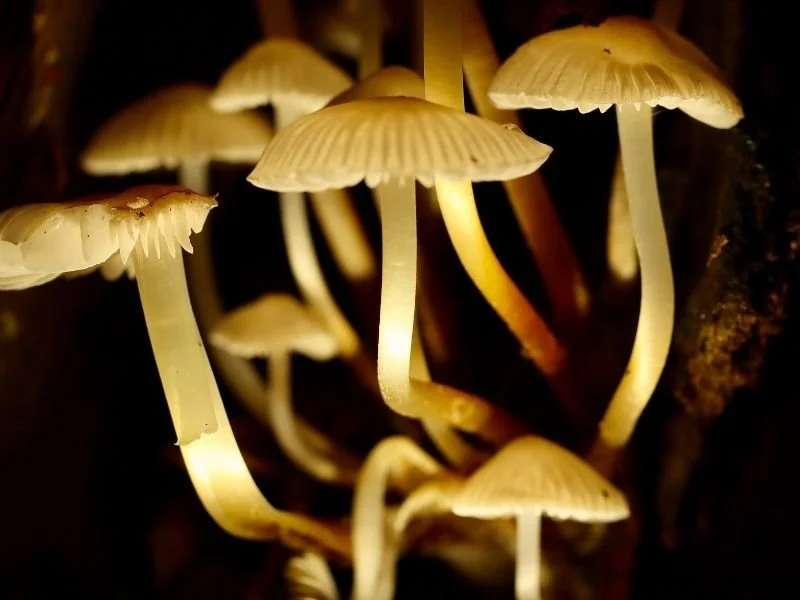
The conclusion of a psychedelic journey may not mark the end of that experience, but will be considered the initial stages of the integration process into your "normal" life. Many individuals who participate in psychedelics report an incredible "open" state within two days after having had the experience. This two-day timeframe is considered a significant and rare window of time when the rigid mental structures remain pliable, and individuals feel an expanded capacity to reach their heart. This is referred to as the "afterglow" phase clinically, creating the most productive time for healing; however, it requires skillful and gentle navigation.
Stepping back into the world after deep introspective work can feel like emerging from a quiet theater into bright sunlight; your senses are heightened, and your emotional skin may feel thinner than usual. Understanding the physiological and psychological shifts occurring during these first 48 hours is essential for protecting the insights you’ve gained. By honoring this "liminal space," you allow the seeds of change planted during your journey to take root in a safe and supportive environment.
Key takeaways
Heightened sensitivity: Expect increased emotional and sensory sensitivity; choose calm environments and low-stimulation activities.
Neuroplastic window: Your brain is in a state of increased flexibility; avoid making major life decisions or consuming stressful media.
Somatic integration: The body may feel tired or "light"; prioritize hydration, nourishing food, and gentle movement like walking.
The "afterglow" effect: A sense of peace or "connectedness" is common, but it’s okay if you feel contemplative or quiet instead.
Navigating the "afterglow": The neuroplastic window
During the first 48 hours, your brain is experiencing a peak in neuroplasticity. The "Default Mode Network"—which typically keeps your habits and self-criticism on a loop—is still in a softened state. This is why many people report a sense of "mental clarity" or a feeling that the "volume" of their anxiety has been turned down.
Because your brain is literally more "moldable" during this time, it is vital to be mindful of what you feed it. Engaging in positive habits, spending time in nature, and avoiding high-stress environments or digital overload helps "wire in" the new perspectives you discovered during your retreat.
You can also read: The benefits of attending a psychedelic retreat: A path to holistic healing
Physical and somatic sensations
It is common to feel a sense of physical lightness or, conversely, a deep, restorative tiredness. Your nervous system has just undergone a significant "recalibration," and your body needs time to catch up. Some participants experience:
Enhanced sensory perception: Colors may seem brighter, and music may feel more resonant.
Changes in sleep: You might experience very vivid dreams or a need for more sleep than usual.
Appetite shifts: A preference for simple, clean, and grounding foods is typical as your body integrates the experience.
If you’re curious about this path, feel free to book an exploration call and we’ll assist you.
Protecting your "emotional skin"
You could feel that you empathize with others or that you can be easily moved to tears. This does not indicate instability; it indicates that your defenses, emotionally speaking, have yet to be restored. This is why the first 48 hours after your release from this process is considered a "sacred time" for you alone or in solitude with only the people you feel most comfortable with.
It is highly recommended that you wait to communicate your experiences until you have given them some time to assimilate and are ready to be influenced by others' perceptions. Your insights will be like "wet paint," and they require time and stability before they can endure duplicitous opinions by others.
Practical integration guidelines
During this vulnerable time, it is best to keep things simple in your life. Journal freely without worrying about creating meaning or what the correct wording should be; spend as much time in silence as you can and be near water or trees; these environments will provide grounding frequencies that emulate the internal peace experienced during the retreat.
At this time, there are some things to avoid if you want to have your insights be heard above the noise. It is important not to be tempted into jumping back into work, social media, or reading too much heavy news immediately after returning from the retreat. Furthermore, try to put off any major changes in your life (like quitting a job or leaving a relationship) for at least several weeks after attending a retreat so you can allow the experience to settle and make decisions that come from a place of long-term clarity, not short-term emotional intensity.
See our psilocybin programs.
Moving forward with patience
As you move through these first two days, remember that there is no "right" way to feel. Some people leave a retreat with a surge of energy, while others feel quiet and reflective. Both are equally valid pathways toward wholeness. The goal of this immediate post-retreat period is simply to be a compassionate witness to your own process, allowing the experience to settle into your nervous system at its own pace.
By treating yourself with the same kindness and curiosity you brought to your journey, you ensure that the insights gained become more than just memories—they become the foundation for a more authentic and integrated way of living. This brief, 48-hour bridge is the most important step in turning a peak experience into a lasting transformation.
For more information and to tailor a program that meets your needs schedule a free Exploration Call and don’t forget to follow us on Instagram. We are committed to providing a safe, nurturing, and transformative experience.
