
What is ketamine therapy? Benefits, risks and what to expect
In many ways a new, FDA-approved medical compound with a long reputation as an illegal drug, ketamine has recently been heralded in interventional psychiatry as one of the most important advances in decades. Traditional antidepressants and physical therapy frequently fall short of providing relief for millions of individuals suffering from chronic pain and severe mental illness. In addition, traditional medications typically take at least two to three weeks—or even months—to be effective, whereas individuals receiving ketamine therapy frequently report significant reductions in their symptoms and a nearly instantaneous therapeutic effect.
If you’re exploring this option for yourself or someone else that has received traditional treatments without success, you have come to the right source for complete information on this topic—including how it works, the types of ketamine therapy available, the range of cost and risks associated with using ketamine for treatment, and, most importantly, clinical guidelines for applying it.
What is ketamine therapy?
Ketamine therapy is a clinically supervised treatment that utilizes controlled, low doses of ketamine to rapidly alleviate symptoms of treatment-resistant depression, severe anxiety, PTSD, and certain chronic pain syndromes. Originally synthesized in the 1960s, ketamine was widely used as a safe, fast-acting anesthetic on battlefields and in operating rooms due to its unique ability to induce anesthesia without suppressing a patient's respiratory drive.
Over the past two decades, researchers discovered that sub-anesthetic doses—amounts far below what is used in surgery—have a profound effect on mood regulation and pain signaling, carving out an essential role for the drug in modern mental health care when standard therapies fail to deliver.
You might be interested in: Ibogaine vs DMT: Comparing effects, risks, and research
How does ketamine therapy work?
To comprehend the revolutionary nature of ketamine, it is advantageous to first understand how traditional antidepressants work in comparison. While conventional medications, such as SSRIs, primarily work to alter the levels of monoamine neurotransmitters, such as serotonin, norepinephrine, or dopamine, ketamine does not follow this pathway. Rather, it does so by following an alternative pathway—through targeting the brain’s glutamate system. Ketamine does this by being an NMDA receptor antagonist against NMDA receptors in the brain.
As the primary excitatory neurotransmitter in the body’s central nervous system, glutamate is essential for the brain’s ability to properly process, and thus respond to, the stressors of everyday life. When ketamine acts to block the NMDA receptor, it is activating a rapid cascade of signaling molecules that results in the physical growth of new, functioning connections between neurons (synaptogenesis) in parts of the brain that are either damaged or have experienced atrophy due to chronic stress and depression.
By rewiring the brain so rapidly, it allows for the restoration of structural plasticity in neuronal circuits throughout the central nervous system, which provides the opportunity for all forms of disruption in neural circuits to be reset while at the same time providing immediate psychological support for individuals until other sorts of treatment can be obtained through more conventional means.
Types of ketamine treatment
When exploring this care pathway, you will find that ketamine is delivered in several distinct forms, each carrying different clinical protocols, costs, and regulatory statuses.
Ketamine infusion therapy (IV)
Intravenous infusion stands as the most common off-label method used by clinics today. In this setting, the medication is delivered slowly through a vein over the course of roughly 40 to 60 minutes, allowing clinicians to maintain absolute control over the medication's bioavailability and dosage in real time. A typical induction course generally consists of six to eight sessions administered over several weeks, followed by occasional maintenance booster infusions depending on individual patient needs. Because of the direct delivery and the dissociative sensations that can occur, intravenous therapy strictly requires continuous clinical supervision and vital sign monitoring.
Esketamine nasal spray (spravato)
Some of the most important developments in esketamine, which is sold under the brand name Spravato, include the fact that it is an FDA-approved nasal spray and will be used to treat treatment resistant depression (TRD) and major depressive disorder (MDD) for people who are having suicidal thoughts.
The formulation contains only the S-ketamine molecule, which is the right version of this chemical compound (enantiomer) and has an affinity to bind and activate NMDA receptors (non-competitive antagonist) compared to the entire ketamine molecule. Because Spravato was officially approved by the FDA, individuals taking it will be able to obtain a much higher percentage of their treatment(s) through commercial insurance and/or Medicare than if they were using IV treatment off label; however, treatment with Spravato must also occur in a qualified health care facility under close observation.
Visit our viewpoint and explore more psychedelic comparisons.
Other forms of ketamine infusion
Beyond intravenous drips and nasal sprays, other delivery methods exist but are utilized less frequently in mainstream psychiatry. An intramuscular injection involves delivering a single dose of the medication directly into a large muscle, offering a fast onset but less dosage control than an active intravenous line. Oral lozenges or sublingual tablets are sometimes prescribed as at-home maintenance tools between clinical visits, dissolving slowly under the tongue to maintain baseline stability. Finally, some compounding pharmacies produce nasal sprays for off-label use; however, it is important to note that the FDA has issued formal cautions regarding compounded ketamine nasal sprays due to increased risks of dosage inconsistency, potential abuse, and a lack of standardized safety monitoring.
What conditions does ketamine therapy treat?
The clinical application of ketamine spans across two distinct fields of medicine, proving highly effective for both psychiatric care and interventional pain management.
Ketamine therapy for mental health
For major depressive disorder and treatment-resistant depression, ketamine offers a vital lifeline, providing the strongest clinical evidence by bringing relief to individuals who have found zero success with multiple standard oral medications.
In cases of bipolar depression, when closely monitored to avoid triggering manic episodes, ketamine can rapidly lift patients out of severe, debilitating depressive cycles. It also helps quiet generalized anxiety and panic by down-regulating hyperactive fear circuits in the brain, and it disrupts the deeply ingrained, painful emotional responses tied to traumatic memories for those managing PTSD.
While it can temporarily blunt the severity of obsessive thoughts and compulsive behaviors for individuals with OCD, its most vital differentiator is its ability to rapidly reduce active suicidal ideation within hours, providing emergency stabilization when traditional interventions would take weeks to take effect.
Ketamine treatment for chronic pain
In addition to mental health, ketamine plays a major role in chronic pain management by resetting hypersensitive pain pathways in the central nervous system, interrupting continuous pain signaling in a way that is fundamentally different from traditional therapies. Clinicians regularly utilize it to treat complex conditions like fibromyalgia, severe migraines, neuropathic nerve pain, and complex regional pain syndrome.
A major secondary value of this approach is its ability to significantly reduce a patient's reliance on prescription opioids, offering a safer alternative for long-term physical management.
Who is a good candidate for ketamine therapy?
Ketamine is fundamentally structured as a specialized alternative, not a first-line intervention. To be considered an ideal candidate for psychiatric purposes, an individual typically must have a documented threshold of failing at least two standard antidepressant treatments or therapeutic modalities without adequate success.
It is best suited for adults dealing with severe treatment-resistant depression, complex PTSD, or unmanageable chronic pain that has profoundly disrupted their quality of life. Furthermore, a reputable clinic will always require that you remain under the active, continuous care of a primary mental health provider or psychiatrist throughout your treatment course. This ensures that your broader psychological care is managed cohesively and builds a necessary layer of safety and clinical trust.
Who is NOT a good candidate?
To maintain medical safety and clinical transparency, certain absolute and relative contraindications must be evaluated factually. You are generally not considered a safe candidate for ketamine therapy if you have an active phase of psychosis or a personal history of schizophrenia, as ketamine can exacerbate hallucinations or dissociative states.
It is also unsafe for individuals with uncontrolled high blood pressure, aneurysms, or severe heart conditions because the compound temporarily raises heart rate and blood pressure during administration. Anyone with an active, untreated history of substance use disorder—particularly involving ketamine or PCP analogs—should avoid the treatment, as should individuals who are pregnant or actively breastfeeding due to a lack of comprehensive safety data regarding fetal development.
Finally, certain severe liver conditions that prevent the body from safely metabolizing the drug, or the current use of conflicting medications like MAOIs without a proper washout period, will disqualify a patient from treatment.
What to expect during ketamine infusion therapy
Stepping into an interventional psychiatric treatment can feel intimidating if you do not know what the physical process looks like. The protocol for an intravenous infusion is highly structured to maximize physical comfort and clinical safety.
Before your first ketamine treatment
Your journey begins long before the medication is administered. You will undergo a comprehensive medical history review and a formal psychiatric evaluation to confirm your eligibility. Clinics enforce strict fasting guidelines, typically requiring that you consume no solid food for eight hours prior to your appointment and no clear liquids for two hours to prevent nausea.
Depending on the facility, basic drug screening waves may be requested. Finally, because the medication temporarily impacts your coordination and cognitive processing, you must arrange for a trusted friend, family member, or rideshare service to transport you home safely after the session.

What happens during a ketamine infusion?
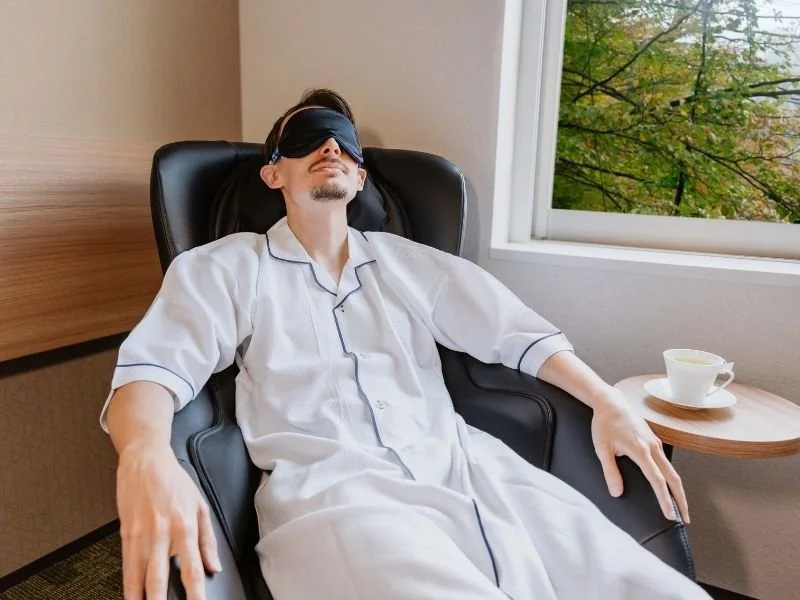
When you arrive, you will be seated in a comfortable, reclining chair within a quiet, dimly lit, and calm treatment room designed to minimize external sensory input. A nurse or provider will insert a small intravenous catheter and attach monitoring cuffs to track your vital signs—including blood pressure, pulse, and oxygen saturation—throughout the entire 40 to 60-minute infusion window.
As the medication enters your system, you will likely experience a mild dissociative state, which patients often describe as a feeling of weightlessness, a dream-like detachment from their physical body, or mild visual distortions. The environment is kept entirely peaceful, and many clinics encourage you to wear an eye mask and listen to calming, instrumental music to help keep your mind relaxed and grounded.
After the session
Once the active infusion concludes, the dissociative effects quickly begin to wear off. You will remain in a mandatory 30 to 45-minute clinical observation period while the medical team ensures your vitals return completely to your baseline.
Many progressive centers recommend pairing this immediate post-session window with professional integration therapy, as the brain is highly plastic and uniquely receptive to adopting healthier thought patterns right after a treatment. For the remainder of the day, you must completely avoid driving, operating heavy machinery, or making major life decisions, choosing instead to head home for a quiet evening of rest.
You might be interested in: Ketamine vs psilocybin: comparing their therapeutic benefits and risks
Benefits of ketamine therapy
The clinical adoption of this therapy is growing rapidly due to several key therapeutic advantages over conventional care. The headline benefit is its incredibly fast-acting symptom relief, which can lift debilitating moods within hours rather than the weeks or months required for traditional SSRIs. It is also highly effective when other treatments have completely failed, offering a robust alternative for treatment-resistant populations.
Furthermore, its ability to reduce suicidal thoughts rapidly provides an invaluable tool for emergency psychiatric stabilization. When used for physical care, it supports long-term chronic pain management without the addictive qualities of narcotics, and it significantly enhances overall long-term outcomes when paired directly with professional psychotherapy.
Ketamine therapy side effects and risks
A balanced, professional understanding of ketamine requires an honest look at its side effects. During the active treatment window, common and expected temporary side effects include nausea, transient dizziness, intense dissociation, a temporary elevation in blood pressure, and blurred vision. These sensations are short-lived and typically resolve within an hour after the infusion stops.
Rare but more serious risks include acute, distressing hallucinations, prolonged changes in bladder or liver function, or an isolated allergic reaction to the compound. When evaluating the risk of addiction, it is important to distinguish clinical application from street use; the risk of developing a substance dependency is incredibly low when the medication is administered in precise, sub-anesthetic doses within a controlled, supervised medical facility. However, because wide-scale clinical use is relatively recent, long-term safety data regarding multi-year maintenance therapy is still actively emerging, meaning treatment plans should be consistently re-evaluated with your doctor.
Ketamine therapy cost and insurance coverage
The financial structure of ketamine care is one of the most practical factors a patient must navigate. Traditional intravenous ketamine infusions generally cost between $300 and $800 per individual session, meaning an initial induction course can require an upfront out-of-pocket investment of several thousand dollars. Because intravenous delivery remains classified as an off-label use for psychiatric conditions, commercial insurance companies typically do not cover the cost of the infusion itself, though some patients successfully secure partial reimbursement for the initial office consultation.
In contrast, esketamine offers a clear insurance pathway. Because it is fully FDA-approved under the brand name Spravato, commercial plans and a growing number of regional Medicaid networks cover the treatment, provided the patient has a documented diagnosis of treatment-resistant depression and has failed a specific number of traditional medications.
When checking your coverage, contact your insurer directly and ask specifically about their policy regarding Esketamine or Spravato healthcare services, keeping in mind that your provider will need to submit a detailed prior authorization package to secure approval before your first dose. Financial assistance programs from the manufacturer may also be explored to help mitigate remaining out-of-pocket costs.
Ketamine therapy vs. other treatments
The key differences between ketamine and traditional SSRIs relate to how quickly each drug acts and the mechanism by which they work. While some oral medications are typically taken once each day and take weeks to affect serotonin levels, ketamine has been shown to produce effects within hours by targeting glutamate in order to quickly repair connections between neurons.
In contrast to using transcranial magnetic stimulation as a non-invasive treatment option that uses focused pulsating magnets to stimulate cortical neurons over multiple weeks, there is an active chemical dissociative effect with ketamine during an active clinical visit. The comparison of both types of treatment for severe treatment resistant depression needs to be done against ECT. Both ECT and ketamine have been shown to be highly effective at treating severe depression, but there are significant differences in terms of the invasiveness of ECT compared to the gentler dissociative effects of ketamine.
ECT requires general anesthesia and muscle relaxants to provide a brief and therapeutic seizure. This results in a very different recovery profile and higher risk of temporary memory disturbance than would occur with the mild dissociative effect of a ketamine infusion session.
Is ketamine therapy right for you?
Ketamine therapy offers a new medical solution to help re-establish brain connections, relieve long-standing physical discomfort, and restore faith in treatment options when other methods of health care have failed. It is not a magic bullet or true overnight success but is scientifically shown to be a valid route to a healthy, fulfilling life for qualified patients experiencing extreme or resistant forms of mental and chronic pain.
As soon as you determine that your present treatment plan is ineffective, the best course of action is to consult a professional in the field with whom you have established rapport to openly and candidly discuss if you meet the clinical definition of being a candidate for this novel type of therapy.
FAQs
Is ketamine therapy legal?
Yes, ketamine therapy is completely legal when prescribed by a licensed healthcare provider and administered within a certified medical setting. While intravenous delivery is conducted off-label, esketamine nasal spray is fully FDA-approved for treatment-resistant depression.
How many sessions are needed?
An initial psychiatric induction course typically requires six to eight sessions spread across three to four weeks to stimulate robust neural growth. Following this initial phase, patients frequently transition to a personalized maintenance schedule, receiving a single booster session every few weeks or months depending on how long their symptom relief lasts.
Does it work for everyone?
No clinical treatment works universally, and ketamine has an estimated success rate of roughly 60% to 70% for treatment-resistant depression. While it provides profound, immediate relief for the majority of responders, some individuals do not experience a significant lift in mood, making careful clinical monitoring essential.
Can ketamine therapy be done at home?
While some companies prescribe low-dose oral lozenges for at-home use, the safest, most clinically effective, and scientifically validated forms of ketamine therapy—such as intravenous infusions and FDA-approved nasal sprays—must be administered entirely inside a medical clinic under professional supervision to safely manage dissociative side effects and track vital signs.
For more information and to tailor a program that meets your needs,schedule a free Exploration Call and don’t forget to follow us on Instagram. We are committed to providing a safe, nurturing, and transformative experience.
