Ketamine vs psilocybin: comparing their therapeutic benefits and risks
Mental health treatment has evolved to include psychedelic therapy, offering new hope for patients with treatment-resistant depression and other mood disorders. Both ketamine therapy and psilocybin therapy are two forms of psychedelic therapy that have shown promising results in clinical trials.
The mentioned therapies aim to provide rapid and sustained relief form depressive symptoms, making them highly attractive options for those who have not responded to traditional antidepressants.
Historical background of psychedelics
Psychedelic drugs, including lysergic acid diethylamide, ketamine, and psilocybin, have been studied for their potential therapeutic benefits for decades.
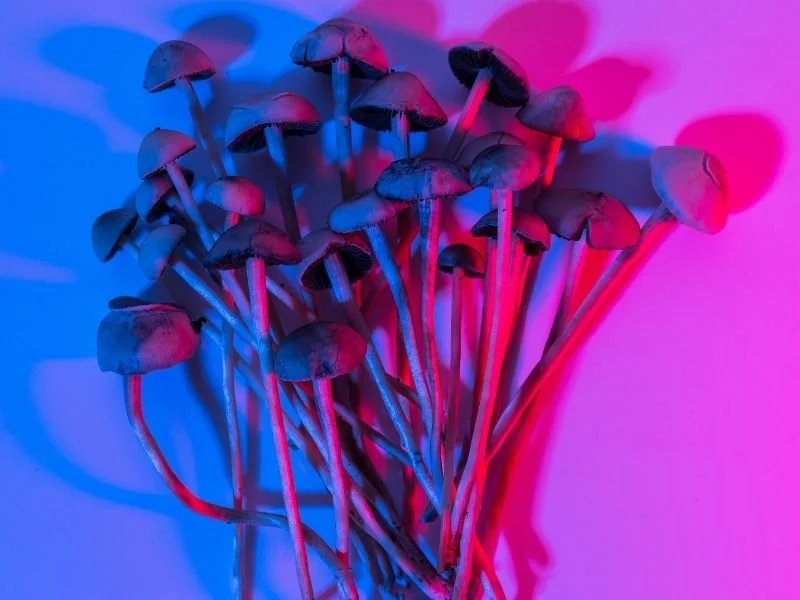
Psilocybin, the compound found in magic mushrooms, is a tryptamine psychedelic that has been used in traditional ceremonies and ancient medicine for centuries. Ketamine, on the other hand, is a dissociative anesthetic and has been used mainly in medical settings. It has recently been approved as a treatment for depressive symptoms.
Methods of administration
Both psilocybin and ketamine can be administered in different ways. Here are the most common ones:
Ketamine can be administered through intramuscular injection, intravenous infusion, intranasal spray, or oral lozenges. This offers great flexibility regarding treatment options.
Psilocybin is usually taken orally. Some eat the mushrooms raw, others use an infusion. The effects (psilocybin trips) can be influenced by the user's mindset and environment (set and setting).
The administration method can affect the onset and duration of the therapeutic outcomes. For instance, intravenous infusion provides a rapid onset, while oral administration provides longer-lasting effects.
You might like: Psilocybin PTSD: Exploring innovative treatment options for veterans
Effects of ketamine
Ketamine has a very quick antidepressant effect. Some patients experience relief from depressive symptoms within just hours of treatment. Ketamine treatment works by the substance's ability to block NMDA receptors, leading to increased neuroplasticity and improved mood.
However, ketamine can also cause anxiety disorders, dissociation, and increased blood pressure, highlighting the need for careful monitoring and dosing. Still, the therapeutic efficacy is undeniable.
Therapeutic benefits of ketamine and psilocybin
Both ketamine and psilocybin have been shown to have therapeutic benefits in treating depression, anxiety disorders, and substance use disorders.
In one side, psilocybin therapy has been shown to promote long-term positive changes in mental health, with some patients experiencing sustained relief from depressive symptoms for months after treatment.
On the other hand, ketamine therapy has been shown to be effective in reducing suicidal ideation and improving mood in patients with major depressive disorder.
If you’re curious about psilocybin-assisted therapy, book an exploration call to know if this is the right path for you.
Ketamine therapy
Ketamine therapy typically involves a series of intravenous infusions, with each infusion lasting about 30-60 minutes. This treatment is usually administered in a clinical setting, where patients can be closely monitored in case any adverse effects show up.
This type of psychedelic therapy is also effective in treating treatment-resistant depression, with some patients experiencing sustained relief from depressive symptoms since the first session. This makes it an excellent alternative for mental health treatments when traditional options fall short.
Psilocybin mushrooms (magic mushrooms)
Psilocybin mushrooms, also known as magic mushrooms, contain the psychoactive compound psilocybin. This psychedelic therapy generally involves a single dose of psilocybin, with the individual closely monitored and supported throughout the experience by licensed facilitators.
Psilocybin therapy is also effective in treating depression, as well as anxiety disorders and substance use disorders. Many patients experience long-term positive changes in their mental health.
You can also read: Is microdosing addictive? Differences between microdosing and macrodosing psilocybin
Mood disorders and psychedelic therapy
Mood disorders such as major depressive disorder and bipolar disorder are common and debilitating conditions that have a significant impact on the patient's quality of life. Treatment options for these mental health conditions often fall short. They include traditional antidepressants and psychotherapy.
Some patients don't respond to these treatments, which highlights the need for alternative options. However, it is important to mention that ketamine and psilocybin therapy are contraindicated for people with mood disorders, since they could trigger psychosis. This is why further research is needed.
Depression treatment options
Depression treatment options currently include conventional antidepressants, psychotherapy, and alternative therapies, such as ketamine and psilocybin therapy.
Ketamine is effective in treating depression, especially in patients who have not responded to conventional antidepressants. Additionally, psilocybin therapy has also been shown to be effective in treating depression, with patients experiencing long-term benefits in their mental health and daily lives.
Risks and side effects
Both ketamine and psilocybin can cause side effects, including transient anxiety, dissociation, and increased blood pressure.
They can also cause mild nausea, vomiting, and headaches, which is why both psychedelics must be administered under careful supervision and in controlled settings. Still, the risks and side effects of these psychedelic therapies are usually considered to be manageable in contrast to the risks and side effects of traditional antidepressants.
What future research looks like
Further research is needed to fully understand the therapeutic effects of ketamine and psilocybin, particularly in treating mood disorders and substance use disorders.
Studies are currently underway to investigate the use of ketamine and psilocybin in treating a range of conditions, including post-traumatic stress disorder and obsessive-compulsive disorder.
Finally, the development of new therapies, such as psilocybin-assisted therapy, is also an area of ongoing research, with several clinical trials currently underway. The results maintain to be promising and the body of evidence keeps growing.
Book an exploration call and learn if this is the right path for you.
Conclusion
Ketamine and psilocybin therapy are two promising alternative treatments for mood disorders, including major depressive disorder and anxiety disorders. Both therapies have been shown to be effective in reducing depressive symptoms and promoting long-term positive changes in mental health.
However, further research is needed to fully understand the therapeutic effects of these therapies and to develop new treatments for mood disorders.
For more information and to tailor a program that meets your needs schedule a free Exploration Call and don’t forget to follow us on Instagram. We are committed to providing a safe, nurturing, and transformative experience.
