
How to prepare for ayahuasca: A clear step-by-step guide
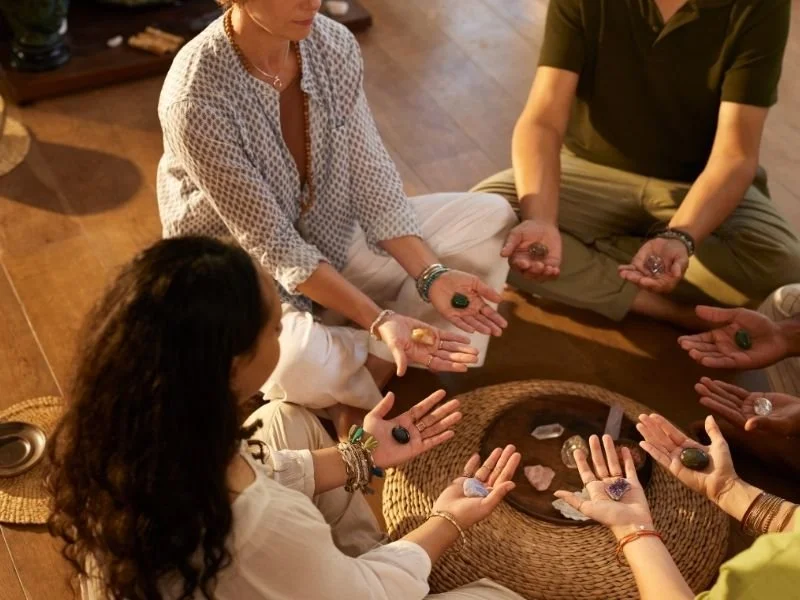
Preparing for ayahuasca involves mindset, physical readiness, dietary changes, and safety screening. Ayahuasca is a powerful plant medicine, so preparation should be respectful and intentional.
Deciding to work with this medicine is a deeply personal choice, and the weeks leading up to your ceremony are just as important as the experience itself. This guide explains how to prepare in a realistic and beginner-friendly way, helping you step onto this path with clarity, safety, and peace of mind.
Is ayahuasca right for you?
Before booking a retreat or packing a bag, the very first step is an honest self-assessment. Ayahuasca is a profound tool for inner work, but it is not a casual endeavor, nor is it suitable for everyone. Taking the time to evaluate your readiness ensures you respect both the medicine and your own well-being.
You might be interested in: Ibogaine vs mushrooms: Differences in safety, addiction recovery, effects, and best use cases
Check your health, medication, and mental readiness
To make sure you're safe with your body at all times. First check with your doctor for any heart problems, seizure disorders, hypertension issues, etc. before making any changes. Ayahuasca has a dramatic effect on the body's circulation and the chemistry of the brain, and so it can pose a serious risk for anyone that has certain pre-existing conditions, and medical clearance is required before using it.
Your mental health is just as important when using ayahuasca. If someone suffers from certain mental health disorders, including schizophrenia, psychosis, or bipolar disorder, they may be at increased risk of severe psychological trauma if using ayahuasca.
Additionally, some prescription medications can cause a life-threatening reaction if used with ayahuasca. Examples include the pharmaceutical drugs SSRIs (Selective Serotonin Reuptake Inhibitors), MAOIs (Monoamine Oxidase Inhibitors), and other medications—the use of any of these with ayahuasca poses a very high risk of causing serotonin syndrome—a dangerous condition that may result in death from overdose.
Choose a safe retreat or trusted facilitator
Where and with whom you sit matters immensely for your healing process. Choose ayahuasca retreat centers with screening, safety protocols, and preparation support built directly into their programs. A responsible center will ask you detailed questions about your health history before accepting your booking.
Take the time to research facilitator experience, legality, and emergency planning. Ask about their training, how long they have been leading ceremonies, and what specific protocols are in place if a guest needs medical attention. Safety standards vary widely between ceremonies, so do not hesitate to ask difficult questions. A trusted facilitator will welcome your inquiries and provide transparent, grounding answers.
If you’re curious about psychedelics, consider seeing more about our psilocybin programs.
Prepare your mind and emotions
Once you have confirmed that you are physically and mentally ready, your attention can shift inward. The emotional landscape you cultivate before drinking the medicine acts as the soil for your experience.
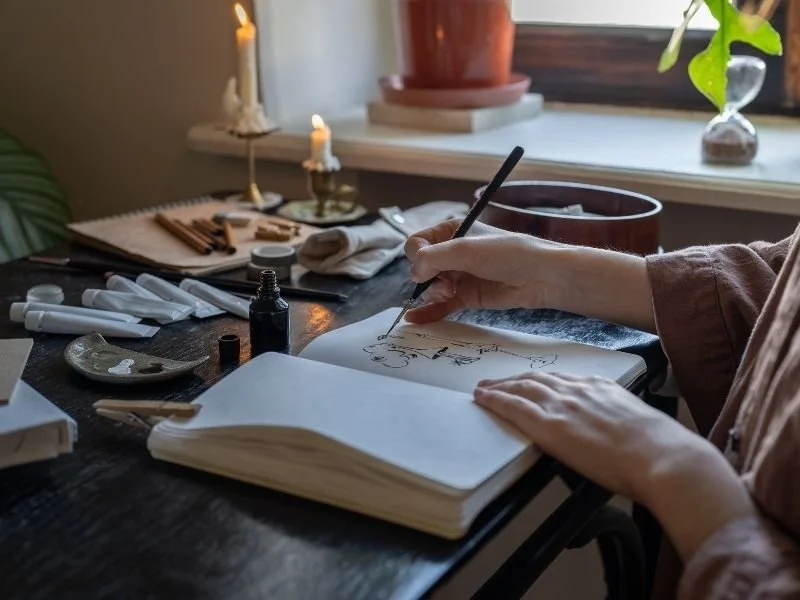
Set clear intentions before the journey
Your intention is an anchor throughout your journey of deep inner self-discovery. You will be looking at areas such as relationships, healing, growth, and emotional patterns that you want to address. You could use an intention to gain clarity regarding a life transition, healing from a painful experience as well as achieving a deeper connection with your inner self.
Having clarity about your intentions will give you the freedom to guide your journey without limiting the final outcome. When the journey gets intense, use your intention as a reminder of why you are here. Be open-minded, however, to receive whatever comes up for you. Medicine tends to provide what you need and not necessarily what you would like.
Release expectations and stay open
It is natural to read stories or watch documentaries before your journey, but it is vital to remember that every ayahuasca experience is different. Some journeys feel peaceful and filled with immense gratitude, while others can be emotionally challenging, bringing repressed grief or fear to the surface.
Avoid comparing your experience with others in the circle. Your journey is uniquely yours, tailored to your specific psyche and history. By releasing rigid expectations of what a psychedelic experience should look like, you create the space necessary to receive the lessons that actually unfold.
Prepare your body before ayahuasca
The physical preparation is designed to cleanse your system and create a sensitive, receptive canvas for the plant medicine. Treating your body with care in the weeks leading up to a ceremony makes the physical transition much smoother.
Focus on sleep, hydration, and wellness
Emotional processing is challenging when you have a tired body. For the weeks leading up to your ayahuasca retreat, focus on improving your sleep patterns, hydration, and reducing stress. A settled nervous system will allow you to enter the ceremony room prepared to handle whatever arises with resilience.
Consider following a schedule of light exercise or movements such as walking, doing yoga or engaging in breathwork throughout the day to begin releasing some physical stored tension from your body. Additionally, try to reduce overstimulating environments and activities, such as doom-scrolling or being out in public too late, by trading them for quiet evenings alone where you can reflect on an internally focused experience.
Avoid alcohol, drugs, and harmful substances
To ensure your body is clear of conflicting substances, avoid recreational drugs and alcohol for at least two weeks before your ceremony. Alcohol and recreational compounds put extra strain on your liver and nervous system, masking your true baseline emotional state.
Additionally, reduce nicotine and other stimulants where possible. If your chosen retreat center provides a stricter set of guidelines, always follow those rules first, as they are tailored to the specific strength and composition of the medicine they serve.
Review medications with a professional
If you take prescription medication, managing your transition requires absolute care. Never stop medication suddenly without medical supervision. Suddenly halting an antidepressant or blood pressure medication can cause severe withdrawal symptoms that compromise your safety.
Discuss antidepressants or serotonin-related drugs in advance with a qualified doctor who understands plant medicine interactions. Be completely honest during intake and screening with your retreat center, as hiding chemical dependencies or medication use puts your life at serious risk during your ayahuasca journey.
We recommend that you see: Psychedelic retreat versus traditional therapy: Complementary paths to mental wellness
Follow the ayahuasca diet
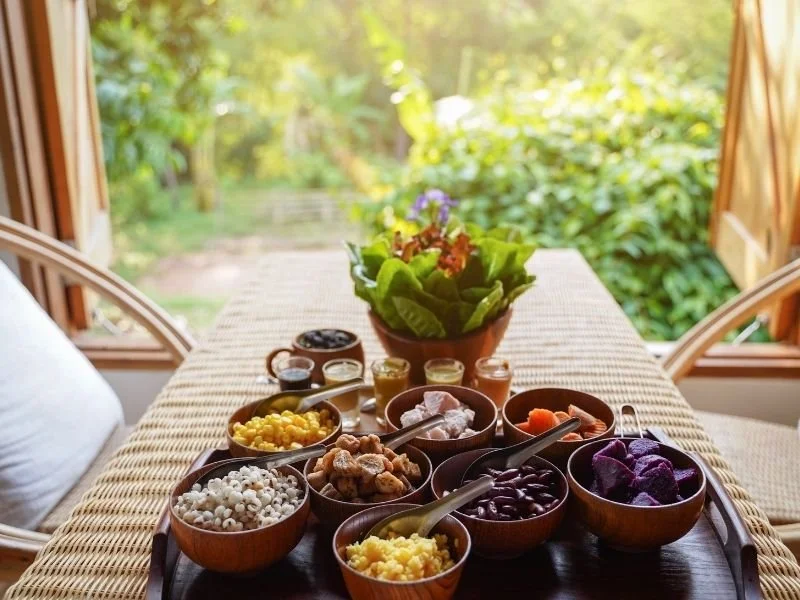
The traditional dieta is a historical practice of dietary refinement. While it has roots in traditional indigenous healing, modern preparation uses it to minimize tire-inducing foods and compounds that interact poorly with the brew.
Know which foods to avoid
The primary goal of the diet is to reduce foods high in tyramine, an amino acid that can cause severe headaches and spikes in blood pressure when combined with ayahuasca. Common restrictions include processed foods, spicy foods, cured meats, dairy, and alcohol.
Some programs also restrict aged cheese, fermented foods like soy sauce or kombucha, and red meat. Because different lineages have different traditions, rules vary by retreat center, making it important to review their specific list early.
Choose simple foods that support preparation
Eating cleanly does not mean starving yourself; it means keeping your meals as close to nature as possible. Focus on whole foods, vegetables, fresh fruit, rice, oats, plain soups, and light meals.
Keep meals simple and easy to digest so your body spends less energy breaking down complex fats or heavy artificial seasonings. Many people choose a temporary plant-based diet during this window, enjoying fresh salads, grains, and legumes prepared with minimal salt and oil.
Understand when to begin the dieta
Timing depends largely on your current lifestyle and the guidelines of your facilitators. Some people begin the diet one week before their ceremony, while others who eat a highly processed diet prefer to start two to four weeks early to give their bodies ample time to adjust.
Always follow the center’s instructions first, as they know their medicine best. If you happen to slip up and eat something restricted, do not panic or beat yourself up; consistency matters more than absolute perfection, and a stressful mind is harder to navigate than a minor dietary detour.
Curious about psychedelics? Ayahuasca is not the only option. Learn more about our safe and regulated psilocybin retreats.
Prepare for the retreat experience
As the date of your ceremony approaches, logistical organization helps eliminate last-minute anxiety, allowing you to transition into the retreat environment smoothly.
Plan what to pack and what to bring
When packing, prioritize comfort and utility over style. Bring loose, comfortable clothes, a reusable water bottle, a journal with a pen, and simple toiletries. Many centers recommend packing warm layers, as body temperature can fluctuate drastically during a ceremony.
Pack any center-specific items requested by your facilitators, such as a flashlight or a headlamp with a red-light setting to navigate the dark space safely. Keep valuables minimal so you do not spend your retreat worrying about expensive electronics or jewelry.
Use meditation, journaling, or nature to center yourself
In the final days leading up to the retreat, prioritize mindfulness practices. Practice meditation or simple breathwork daily to build familiarity with calming your mind when feelings become intense.
Journal your fears, hopes, and intentions to help move anxious thoughts out of your head and onto paper. Spending quiet time in nature, walking under trees, or sitting by water can help you feel grounded and connected to the natural world before working with plant medicine.
Arrive calm, present, and grounded
Give yourself the gift of time. Avoid rushing or planning stressful travel immediately before your ceremony, as rushing keeps your adrenaline high.
On the day of the ceremony, eat light meals if allowed by your center, usually stopping all food intake several hours before the event starts. Arrive rested, mentally settled, and ready to dedicate your full attention to the work ahead.
Know what to expect during the experience
Demystifying the ceremony itself can alleviate the fear of the unknown, helping you surrender to the process with greater ease.
Understand emotional and physical effects
Ayahuasca affects both the mind and the body simultaneously. Possible physical effects include nausea, purging, temporary fatigue, vivid visions, or intense emotional release. Purging is traditionally viewed not as a negative side effect but as a beneficial cleansing process that releases old physical and emotional blockages.
Healing songs, known as icaros, or carefully guided music will likely be part of the ceremony, helping to shape the energy of the room. The overall intensity often changes throughout the night, moving in waves rather than remaining at a peak the entire time.
Remember that every journey is different
Your experience will be completely unique. Some experiences feel incredibly clear, beautiful, and filled with profound meaning, while others may feel confusing, dark, or difficult to comprehend in the moment.
It is important to remember that psychological insights often unfold over time rather than presenting themselves in a neat, orderly package during the night. Trusting the timeline of your own processing is a major part of the journey.
Prepare for aftercare and integration
The ceremony ends when you leave the room, but the true work of ayahuasca begins when you return home. Integration is the process of weaving your insights into your daily life.
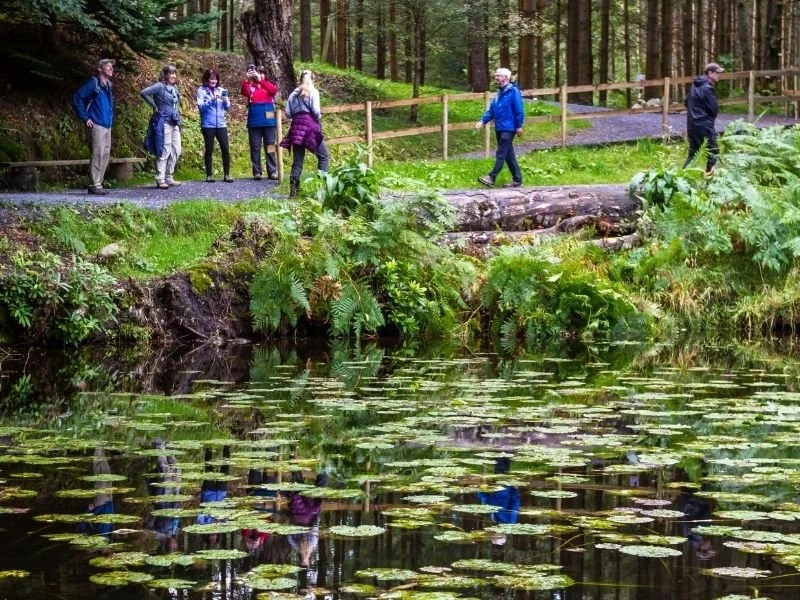
Rest and reflect after the ceremony
Your body and mind will need time to recalibrate. Prioritize deep sleep, hydration, and quiet recovery time in the days immediately following your retreat.
Continue eating simple, nourishing foods if you find it helpful for maintaining a sense of physical lightness. Avoid rushing back into intense routines, heavy workloads, or chaotic social environments right away, giving yourself a gentle buffer zone instead.
Apply insights to everyday life
You can only benefit from an insight if it produces a subsequent change in behavior and/or lifestyle. You should also document any key learnings from your experience because, otherwise, they risk becoming stale and forgotten.
If you do uncover deeply unfavorable feelings or serious life events, then we would recommend getting professional assistance through therapy or a support group. While it is not uncommon for people to experience significant transformation during the ceremony itself, true transformation requires continued use of your new knowledge in your day-to-day life and decisions, relationships, and behaviors.
You might be interested in: Ibogaine vs DMT: Comparing effects, risks, and research
Avoid common preparation mistakes
Being aware of common pitfalls helps you approach your preparation with maturity and balance.
Do not ignore safety or readiness
The most dangerous mistake an individual can make is minimizing health risks. Do not hide medications, medical histories, or health conditions from your facilitators.
Avoid unsafe or poorly run ceremonies simply because they are cheaper or more convenient. Treat the experience seriously and invest the time required to verify that your environment is physically and emotionally secure.
Do not chase a specific outcome
Approaching plant medicine with a rigid agenda often leads to frustration. Do not expect instant healing or immediate enlightenment from a single ceremony.
Let go of the pressure to experience dramatic visual hallucinations or cosmic breakthroughs. Stay open, stay patient, and let the medicine show you whatever path is most necessary for your current personal growth.
Use a simple preparation checklist
To keep your preparation organized, follow this simple timeline as you approach your retreat date.
Four weeks before
Review your health history and double-check all current medications with a healthcare professional.
Begin reducing unhealthy lifestyle habits, processed foods, and excessive stress.
Confirm your retreat plans, travel logistics, and center safety protocols.
One week before
Tighten your adherence to the dieta by eliminating alcohol, aged cheeses, and heavily processed meats.
Improve your sleep routine to ensure your body is fully rested.
Reduce overall exposure to stressful media, loud environments, and overstimulation.
Twenty-four hours before
Pack your essentials, ensuring you have comfortable clothes, a journal, and a water bottle.
Eat very light, simple meals according to the specific schedule provided by your facilitators.
Stay calm, stay hydrated, and spend your evening resting quietly.
FAQs
How long should I prepare before taking Ayahuasca?
Most facilitators recommend a preparation window of two to four weeks. This timeline gives your body enough time to adjust to dietary changes and gives your mind space to settle and form clear intentions.
Can I drink coffee before an Ayahuasca ceremony?
It is best to avoid coffee and caffeine for at least several days before a ceremony. Caffeine is a stimulant that can increase anxiety and elevate your heart rate, making it harder to remain relaxed during the experience.
What if I feel nervous before my first ceremony?
Feeling nervous is completely normal and very common. Acknowledging your anxiety, talking to your facilitators, and focusing on gentle breathwork can help you ground yourself before the ceremony begins.
Do I need to follow a strict vegan diet?
While a strict vegan diet is not universally mandatory for every lineage, many people choose a plant-based diet because whole, clean plant foods naturally align with the light, simple requirements of the traditional dieta.
How important is integration after Ayahuasca?
Integration is arguably the most vital phase of the entire process. Without dedicated integration, the profound insights gained during a ceremony can easily fade, rather than creating lasting, positive change in your everyday life.
For more information and to tailor a program that meets your needs,schedule a free Exploration Call and don’t forget to follow us on Instagram. We are committed to providing a safe, nurturing, and transformative experience.